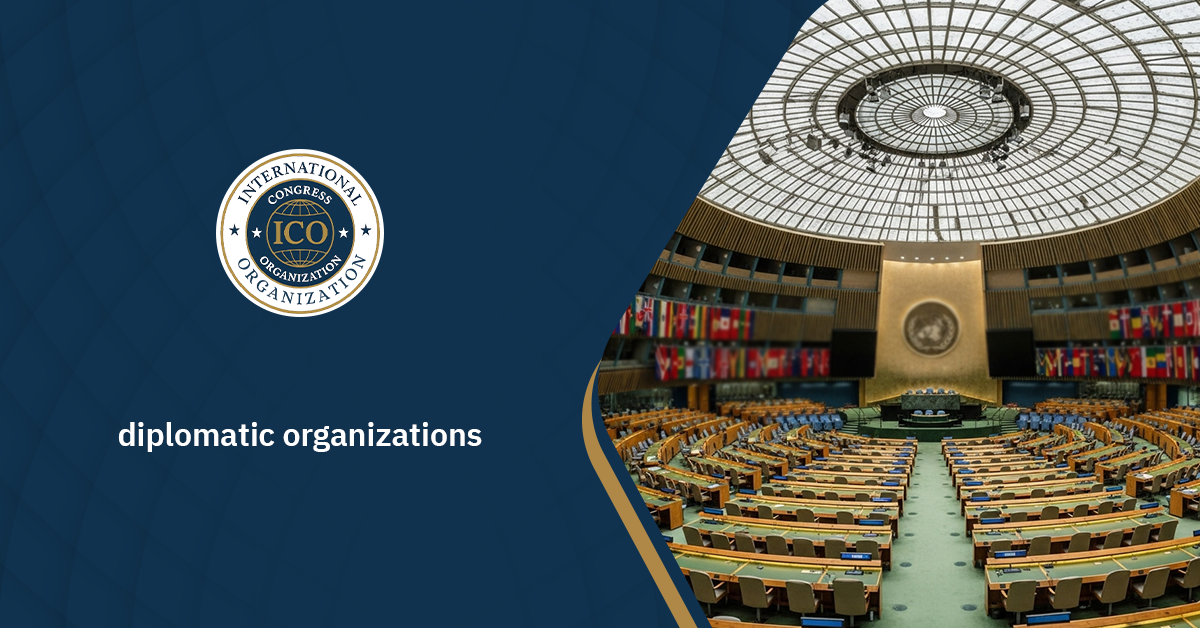
Diplomatic organizations are key players in international relations, helping countries communicate, cooperate, and resolve conflicts peacefully. They provide platforms for negotiation, policy coordination, and humanitarian efforts. By facilitating dialogue and partnerships, these organizations contribute to global stability and collaboration. Understanding their roles is essential for grasping modern diplomacy.
Definition of diplomatic organizations:
Definition of diplomatic organizations are official entities established by countries or international bodies to manage and maintain relations with other nations. These organizations serve as intermediaries in political, economic, and cultural interactions, promoting cooperation, negotiation, and conflict resolution. Their primary functions include representing national interests abroad, facilitating communication between governments, and ensuring the smooth implementation of foreign policies. In essence, diplomatic organizations play a crucial role in sustaining international dialogue and fostering global partnerships.
Roles and functions of diplomatic organizations:
Roles and functions of diplomatic organizations cover a variety of essential activities that maintain and strengthen international relations. These include:
- Representing their countries abroad and acting as official intermediaries in foreign affairs.
- Negotiating treaties and agreements to promote political and economic cooperation.
- Facilitating trade, investment, and other forms of international economic collaboration.
- Providing support and assistance to citizens traveling or residing overseas.
- Playing a key role in conflict resolution, cultural exchange, and fostering diplomatic dialogue.
By performing these roles, they contribute to global stability, mutual understanding, and the development of constructive partnerships between nations.
International diplomatic organizations:
International diplomatic organizations are entities that operate beyond national borders with the goal of facilitating cooperation and dialogue among multiple countries. They play a critical role in addressing global challenges and promoting international peace by coordinating diplomatic efforts between member states to resolve conflicts peacefully, establishing international agreements and conventions on issues such as trade, security, and human rights, and promoting cultural exchange and mutual understanding among nations.
In addition, they support humanitarian initiatives and global development projects while acting as a platform for discussion and negotiation on global policies. By carrying out these responsibilities, they strengthen international collaboration and contribute to a more stable and interconnected world.
United Nations and diplomatic organizations:
United Nations and diplomatic organizations are closely connected, as the UN provides a central platform for international diplomacy. The organization plays a pivotal role in coordinating global efforts to maintain peace, security, and cooperation among nations. Key contributions include:
- Facilitating negotiations and dialogue between member states on political and security issues.
- Implementing international agreements and monitoring compliance with global standards.
- Providing support for humanitarian missions and conflict resolution initiatives.
- Promoting human rights, sustainable development, and social progress worldwide.
- Serving as a hub for collaboration among various international diplomatic entities.
Through these efforts, the UN strengthens the effectiveness of diplomatic organizations and enhances global stability and cooperation.
European Union and diplomacy:
European Union and diplomacy are closely linked, as the EU functions as a unified actor in international relations. This organization coordinates the foreign policies of its member states to promote peace, security, and economic cooperation on a regional and global level. It engages in diplomatic negotiations, represents collective interests in international forums, and develops common strategies for addressing global challenges such as climate change, human rights, and trade relations.
Furthermore, the EU facilitates dialogue between its members and other countries, strengthens partnerships, and provides a platform for collaborative problem-solving. Through these diplomatic efforts, it enhances regional stability and contributes to a coherent and influential international presence.
Future trends in diplomatic organizations:
Future trends in diplomatic organizations point towards greater reliance on digital technologies, data-driven decision-making, and more inclusive multilateral cooperation. As global challenges become increasingly complex, these organizations are expected to adapt by enhancing cyber diplomacy, fostering stronger partnerships between states and non-state actors, and integrating innovative strategies for conflict prevention and peacebuilding.
Additionally, emphasis on sustainability, human rights, and cultural diplomacy will likely grow, ensuring that diplomatic efforts remain relevant and effective in a rapidly changing international landscape. By embracing these trends, they can continue to play a vital role in promoting global stability and cooperation.
Multilateral diplomacy and international coordination:
Multilateral diplomacy and international coordination involve the collaboration of multiple countries to address global challenges and achieve common goals. These efforts are essential for managing complex international issues such as security threats, economic crises, climate change, and humanitarian emergencies. By working together through international organizations, treaties, and formal forums, countries can align their policies, share resources, and develop cohesive strategies. Such coordination also strengthens conflict prevention, enhances negotiation outcomes, and fosters trust among nations.
In an increasingly interconnected world, multilateral diplomacy ensures that decisions are more inclusive, representative, and effective, contributing to global stability and sustainable international cooperation.
For more details, please visit:
https://internationalcongres.org
https://internationaldiplomaticunion.org
FQ:
What is their primary purpose?
To sustain international dialogue, represent shared or national interests, mediate between countries, and strengthen cooperation to resolve disputes or global issues peacefully.
Is the United Nations a diplomatic organization?
The UN is not a purely diplomatic entity, but it functions as the main global platform for international diplomacy, coordinating negotiations and diplomatic communication among member states.
What roles do these organizations play in conflict resolution?
They engage in negotiation, mediation, diplomatic dialogue, peace facilitation, and in some cases, oversee or support the implementation of peace agreements.
Do these organizations influence international policies?
Yes, significantly. Through summits, negotiations, conventions, and diplomatic coordination, they contribute to global political decision-making and policy alignment among states.
Can a country join more than one diplomatic organization?
Yes, most countries are members of multiple organizations depending on their political alliances, economic partnerships, and regional or global interests.
