
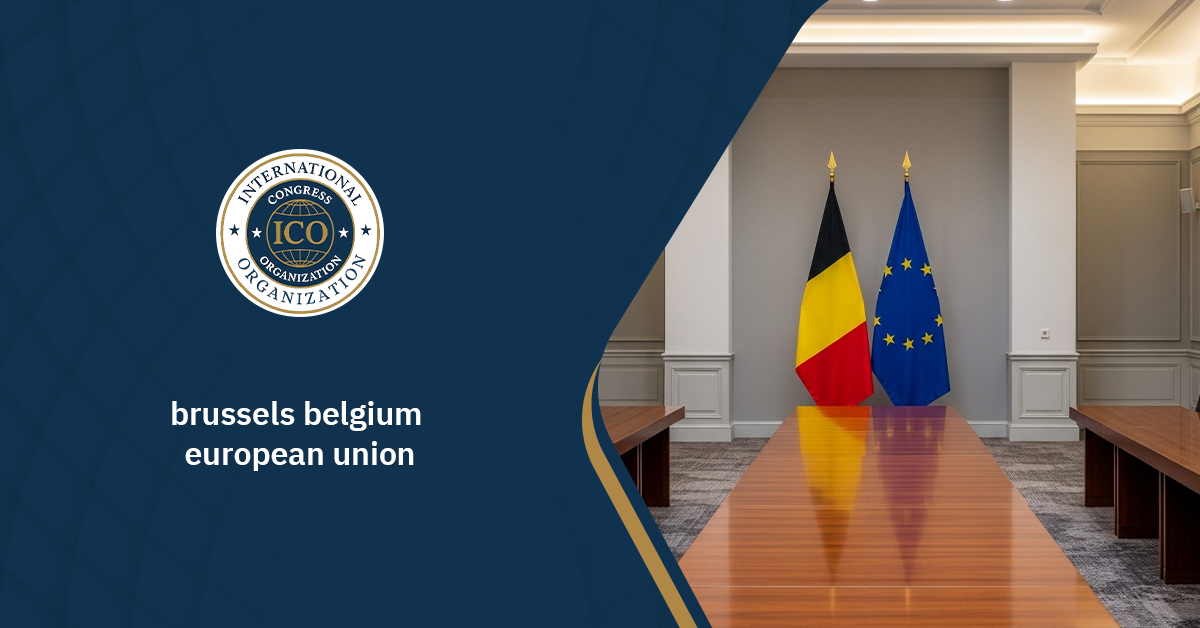
Brussels is the capital of Belgium and a central hub for European politics. As host to major EU institutions, brussels belgium european union plays a key role in shaping European decisions. The city combines political importance with cultural and international influence.
Brussels as the capital of Belgium
Brussels as the capital of Belgium, Brussels Belgium European Union serves as the political and administrative center of the country. It is not only the largest city in Belgium but also a major hub for international politics, acting as the de facto capital of the European Union and hosting numerous international organizations.
Brussels Belgium European Union is renowned for its historic architecture, vibrant cultural scene, and its role as a center for diplomacy and international business. The city reflects both French and Dutch influences, highlighting Belgium’s bilingual nature, and continues to attract tourists and professionals from around the world.
Brussels as the de facto capital of the EU
Brussels as the de facto capital of the EU plays a central role in European governance. Although the EU has no official capital, Brussels Belgium European Union hosts key institutions, including the European Commission, the Council of the European Union, and much of the European Parliament’s work.
This concentration of institutions makes the city a hub for diplomacy, policy-making, and international affairs, while also supporting the local economy through thousands of EU employees and diplomats. Its strategic location and institutional significance have established Brussels as the central center of European politics.
European Union headquarters
The European Union headquarters are primarily located in Brussels Belgium European Union, making the city the central hub for European governance. Key institutions, such as the European Commission, the Council of the European Union, and the European Council, operate from these headquarters, while the European Parliament conducts much of its committee work in the city.
This concentration of EU institutions has transformed Brussels into a major center for diplomacy, policymaking, and international affairs, while the presence of thousands of EU staff and diplomats also supports the local economy and global profile of the city.
EU institutions in Brussels
Brussels Belgium European Union hosts the main institutions of the European Union, making it the center of European governance. The European Commission, responsible for proposing legislation and enforcing EU law, is based in the city. The Council of the European Union and the European Council also operate from Brussels, while the European Parliament holds a significant portion of its committee meetings and sessions there.
The presence of these institutions has made Brussels a hub for diplomacy, policymaking, and international affairs, attracting thousands of EU staff, diplomats, and international organizations.
European Commission
The European Commission, based in Brussels Belgium European Union, serves as the executive branch of the European Union, responsible for proposing legislation, implementing decisions, and upholding the EU treaties. It ensures that EU laws are applied uniformly across all member states and manages the EU’s budget and programs.
The Commission also represents the EU internationally in areas such as trade and diplomacy, making it a central institution in shaping the policies and direction of the European Union.
European Council: Leadership and Strategic Guidance in the EU
The European Council, based in Brussels Belgium European Union, is a key institution that guides the European Union’s overall political direction. Its main roles include:
- Setting priorities: It defines the EU’s strategic agenda and major political goals.
- Providing guidance: It resolves complex issues that cannot be settled at lower institutional levels.
- Meeting regularly: The Council convenes periodically to discuss important political, economic, and foreign policy matters.
- Decision-making influence: While it does not draft or pass legislation, its decisions shape the long-term direction and policies of the EU.
This structure highlights how the European Council serves as a central body for leadership and strategic planning within the EU.
Council of the European Union
The Council of the European Union, often called the Council, is where government ministers from each EU country meet to discuss, amend, and adopt laws, and coordinate policies. Most meetings take place in Brussels Belgium European Union, except for April, June, and October, when they are held in Luxembourg.
Alongside the European Parliament, the Council is a main decision-making body of the EU. Its key functions include negotiating and adopting laws, coordinating member states’ policies, developing foreign and security policy, concluding international agreements, and adopting the annual EU budget.
European Parliament in Brussels
European Parliament in Brussels, one of the main legislative bodies of the EU, holds a significant portion of its sessions and committee meetings in Brussels Belgium European Union. While its official plenary sessions take place in Strasbourg, Brussels hosts most of the committee work, political group meetings, and additional plenary sessions.
The city’s role as a European hub allows Members of the European Parliament (MEPs) to coordinate policies, debate legislation, and engage with EU institutions efficiently. This presence also contributes to Brussels’ status as a key center for diplomacy, policymaking, and international affairs.
For more details, please visit:
https://internationalcongres.org
https://internationaldiplomaticunion.org
FAQ
Where does the European Parliament hold its sessions?
The European Parliament holds its official plenary sessions in Strasbourg, while Brussels hosts most committee meetings and additional sessions.
What are the main EU institutions in Brussels?
The European Commission, Council of the European Union, European Parliament (partially), European Council, and several supporting agencies.
Are all Council meetings held in Brussels?
Most meetings are in Brussels, but in April, June, and October, sessions take place in Luxembourg.
How does the presence of EU institutions affect Brussels’ economy?
Thousands of EU employees and diplomats contribute to the local economy, supporting businesses and services in the city.
Why is Brussels Belgium European Union considered important for the European Union?
Brussels serves as the operational center of the EU, hosting most of its main institutions. This makes the city a key hub for diplomacy, policymaking, and international affairs within Europe.
